Rwanda Travel Guide
Is Rwanda safe to travel? Everything you need to know before you visit — answered by an expert Rwanda guide.
Is Rwanda safe to travel?
Rwanda is consistently ranked as one of the safest countries in Africa. The government takes law and order seriously: Kigali is cleaner and more orderly than most European capitals, and crime against tourists is extremely rare.
The genocide of 1994 is part of Rwanda's history, and the Kigali Genocide Memorial — which we visit on day thirteen of the tour — is an important and moving experience. But contemporary Rwanda is a country that has rebuilt with remarkable determination. The memorial is sobering; the country around it is vibrant.
Outside Kigali, the roads are excellent by regional standards and policed reliably. The national parks have professional rangers and management. Rwanda currently ranks as the safest country in Africa and in the top 10 in the world for solo travellers.
If safety is your concern, I can walk you through everything personally.
Ask me anything about Rwanda travel safety — no obligation.
Ask Me Directly
Rwanda climate and best time to visit
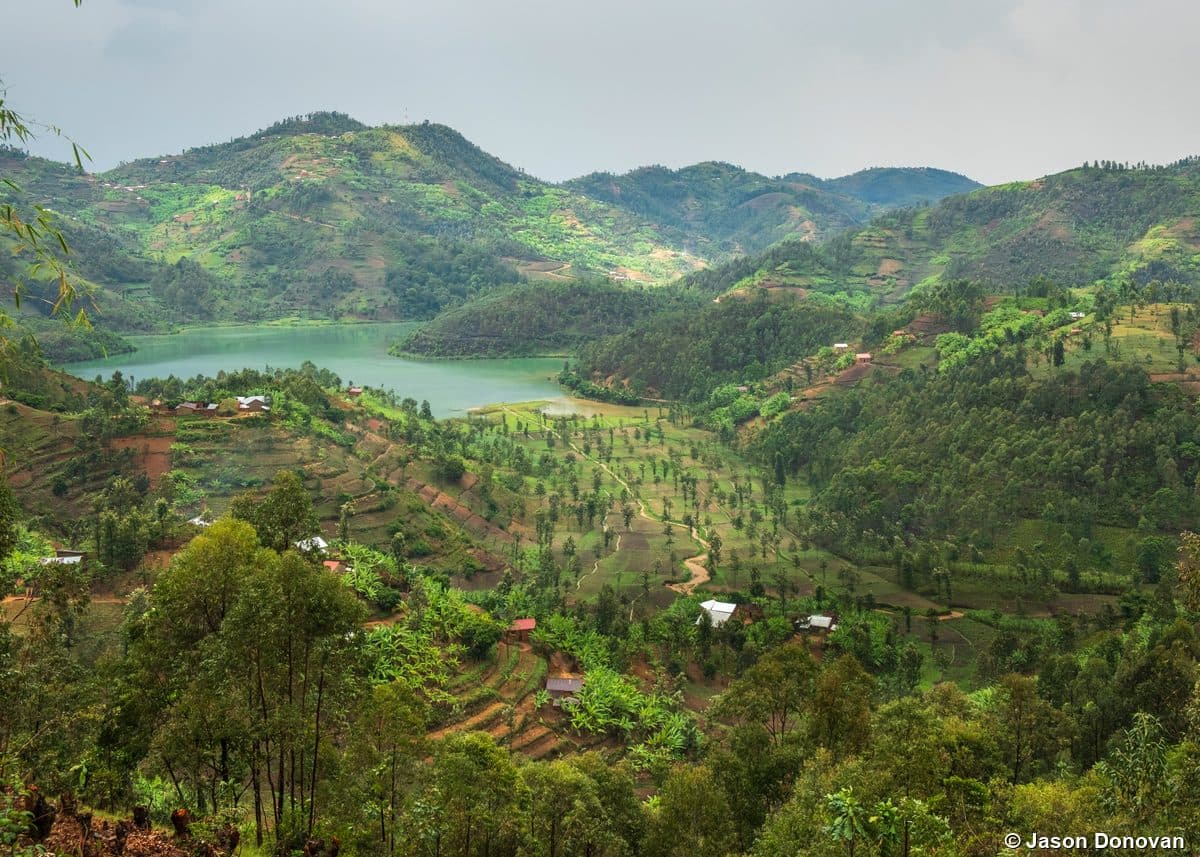
Rwanda sits just south of the equator at an average altitude of 1,500 metres. The temperature is reliably mild year-round — rarely above 28°C in the lowlands, considerably cooler in the highlands and near the volcanoes. It is not the Africa of desert heat and dust.
There are two dry seasons (the best times to travel) and two wet seasons. However, Rwanda is never entirely dry — even the dry seasons bring occasional afternoon rain — and the wet seasons are not impassable. I have run successful tours in every month of the year.
June – September
Long dry season
The premium months. Game drives in Akagera are most productive (animals concentrate around water), gorilla trekking is easier on dry trails, and Nyungwe is drier than usual. Peak season — book early.
December – February
Short dry season
Second best period. Cooler than June–September, fewer tourists, and the landscape is green. Gorilla trekking is excellent. Lake Kivu is at its best.
March – May
Long wet season
Heavy rains most afternoons. Game drives in Akagera can be muddy and difficult. Nyungwe is lush and atmospheric. Lower prices. Gorilla trekking continues year-round.
October – November
Short wet season
Shorter rains, often in the afternoon only. The countryside is spectacularly green. Good value and fewer tourists than the main dry season.
Food and drink in Rwanda
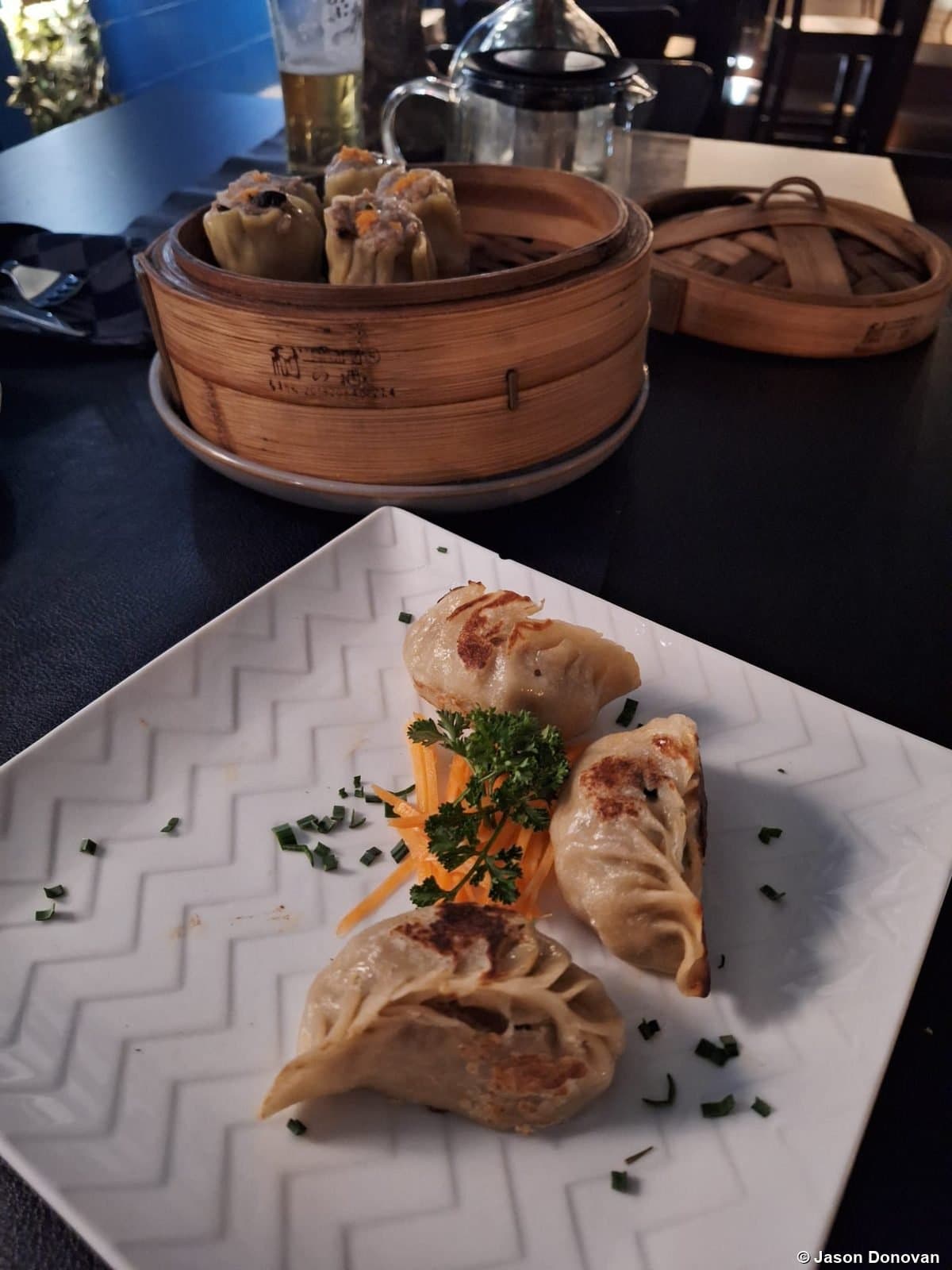
Kigali has a genuinely good restaurant scene — a legacy of the international community that has been based there since the 1990s. Indian, Lebanese, Italian, and excellent contemporary Rwandan restaurants can all be found within ten minutes of the city centre.
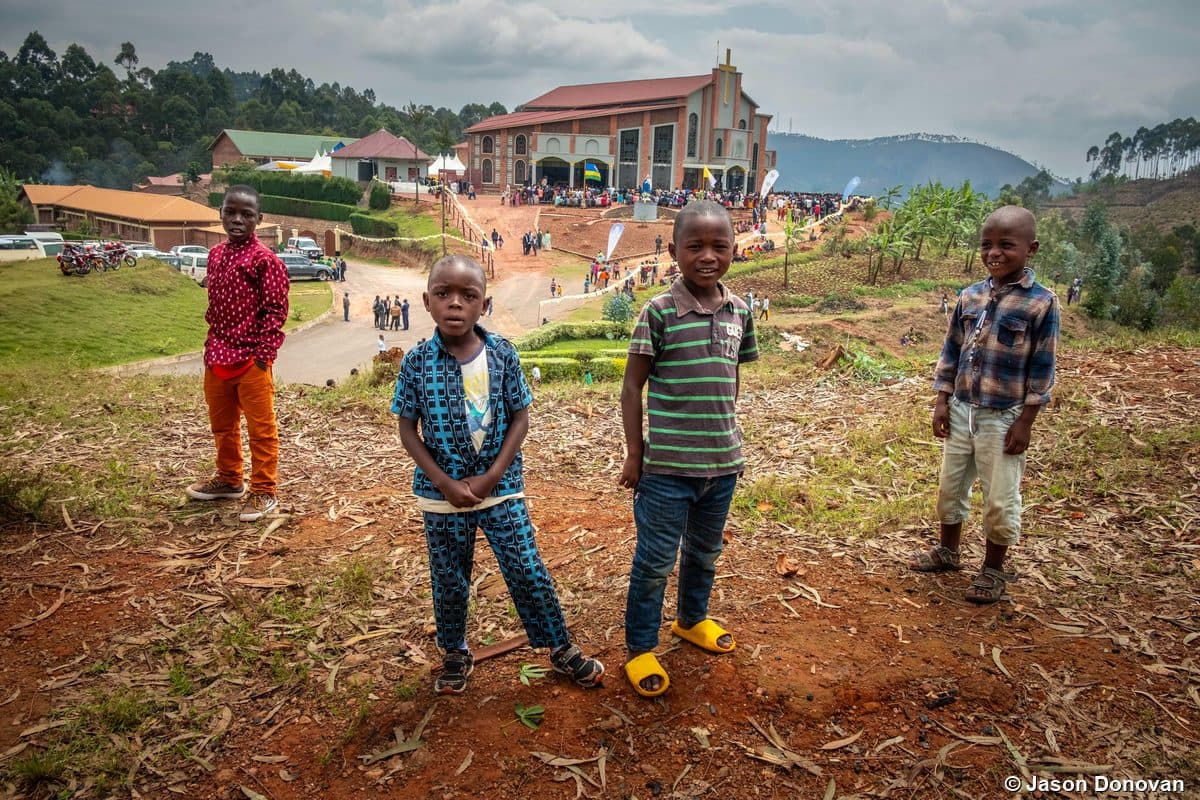
Outside Kigali, the food is simpler. The Rwandan staple is a mix of beans, rice, plantain, and whatever vegetables are in season. I know the best local restaurants at every stop on the itinerary — places run by families, not by hotel chains, where the food is cooked fresh and costs a fraction of the lodge dining room.
Musanze (the gateway to Volcanoes National Park) has a surprisingly good food scene. The town is popular with NGO workers and has developed accordingly. The restaurant I use there serves excellent wood-fired pizza alongside Rwandan staples, and the bread is baked fresh every morning.
Primus is the Rwandan national beer. It is perfectly decent. Mutzig is the premium option. Rwandan coffee is excellent — the country produces some of the best arabica in East Africa and the specialty coffee scene in Kigali is serious.
Where we stay
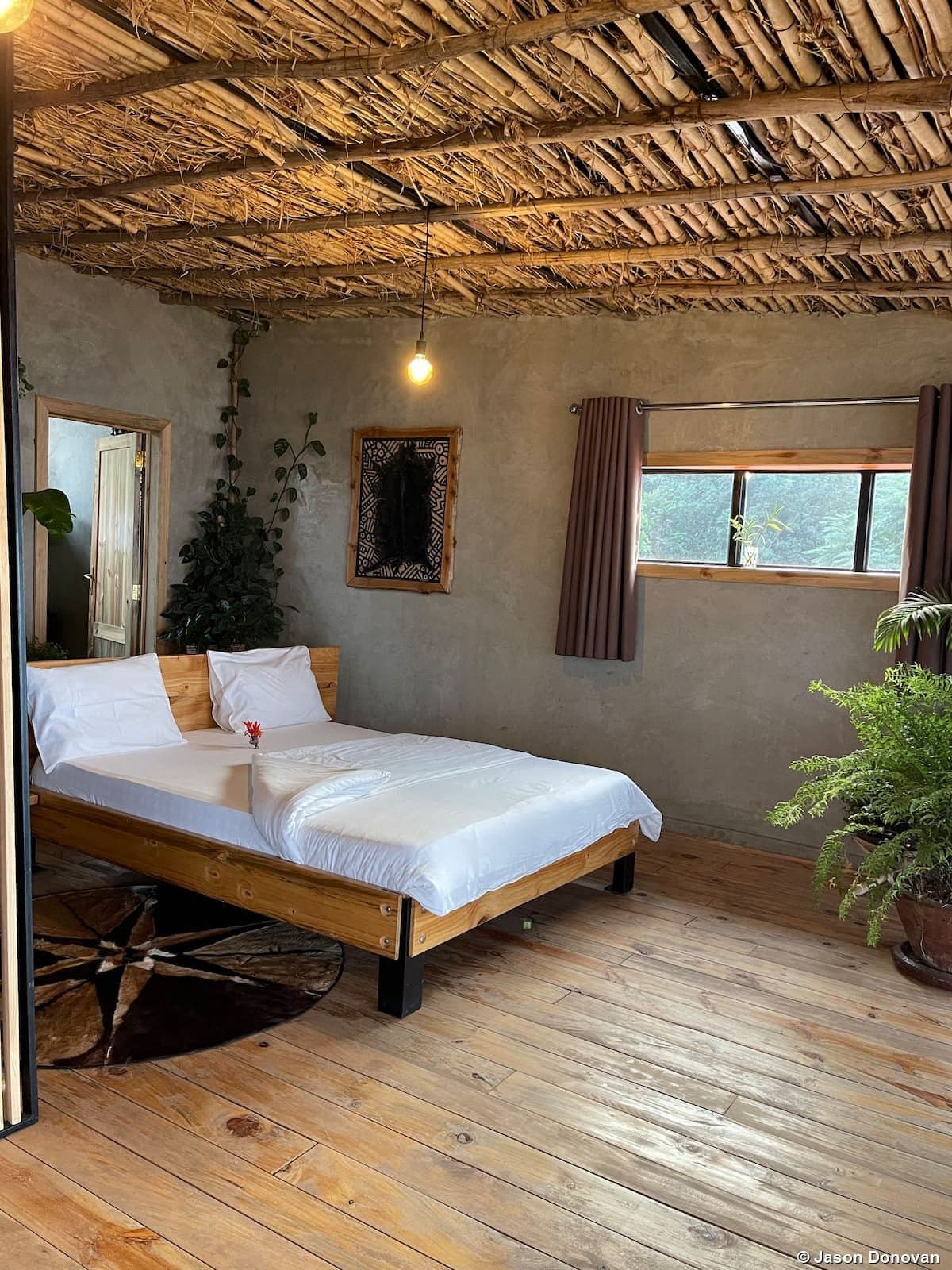
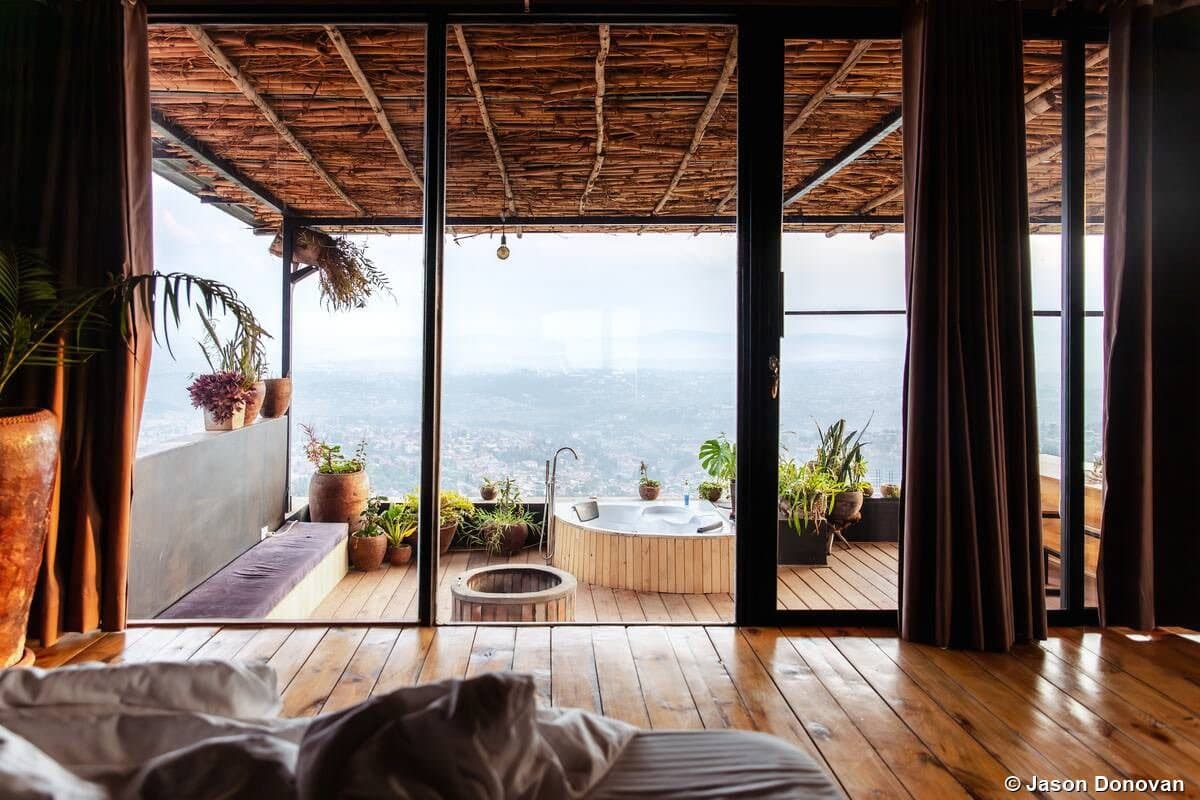
I select accommodation for character, location, and the quality of the owners — not for stars or brochure photography. On a tour like this, the place you sleep should tell you something about where you are.
In Akagera, we stay inside or adjacent to the park so we can be on the game drive track as early as possible without a long drive. The lodge in the park has a pool and several restaurants for perfect relaxation after a long day experiencing the wilds of Africa.
In Musanze, again I've selected a more luxurious option with multiple restaurants and a pool... much needed after a long trek in the hills.
In Nyungwe, the options are limited — it is a remote part of the country. The lodge I use is the best available: comfortable, boutique, with hot water and good food, and positioned to hear the forest at night. It is nestled amongst a tea plantation, a truly beautiful spot.
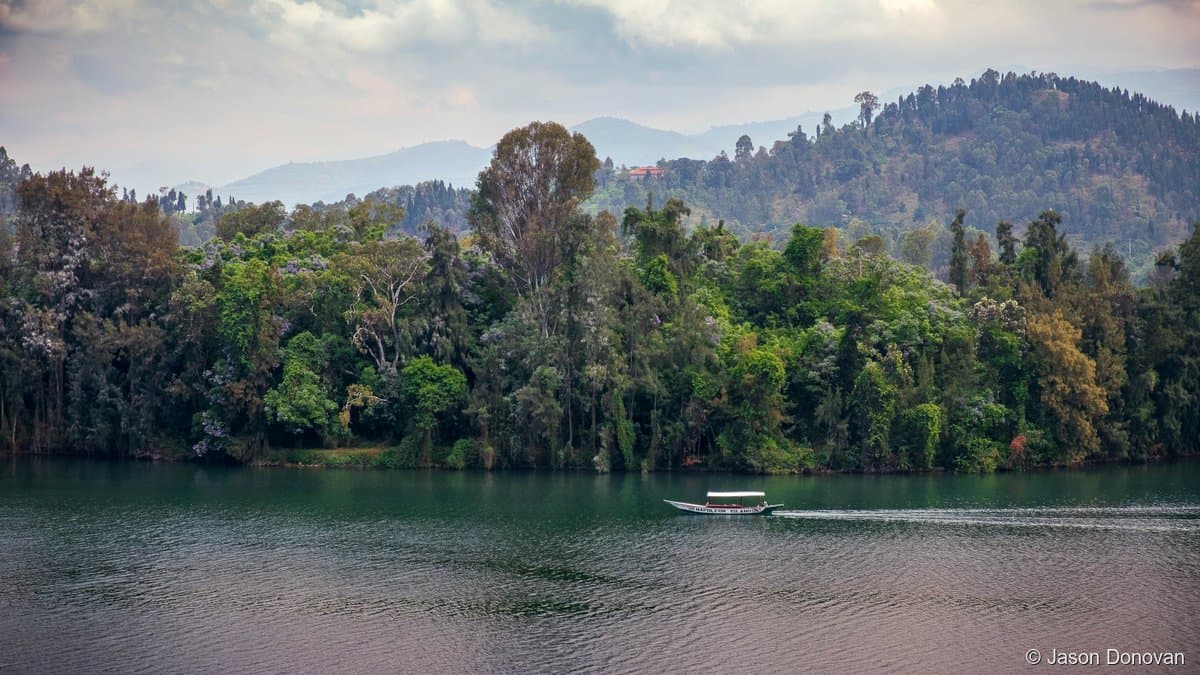
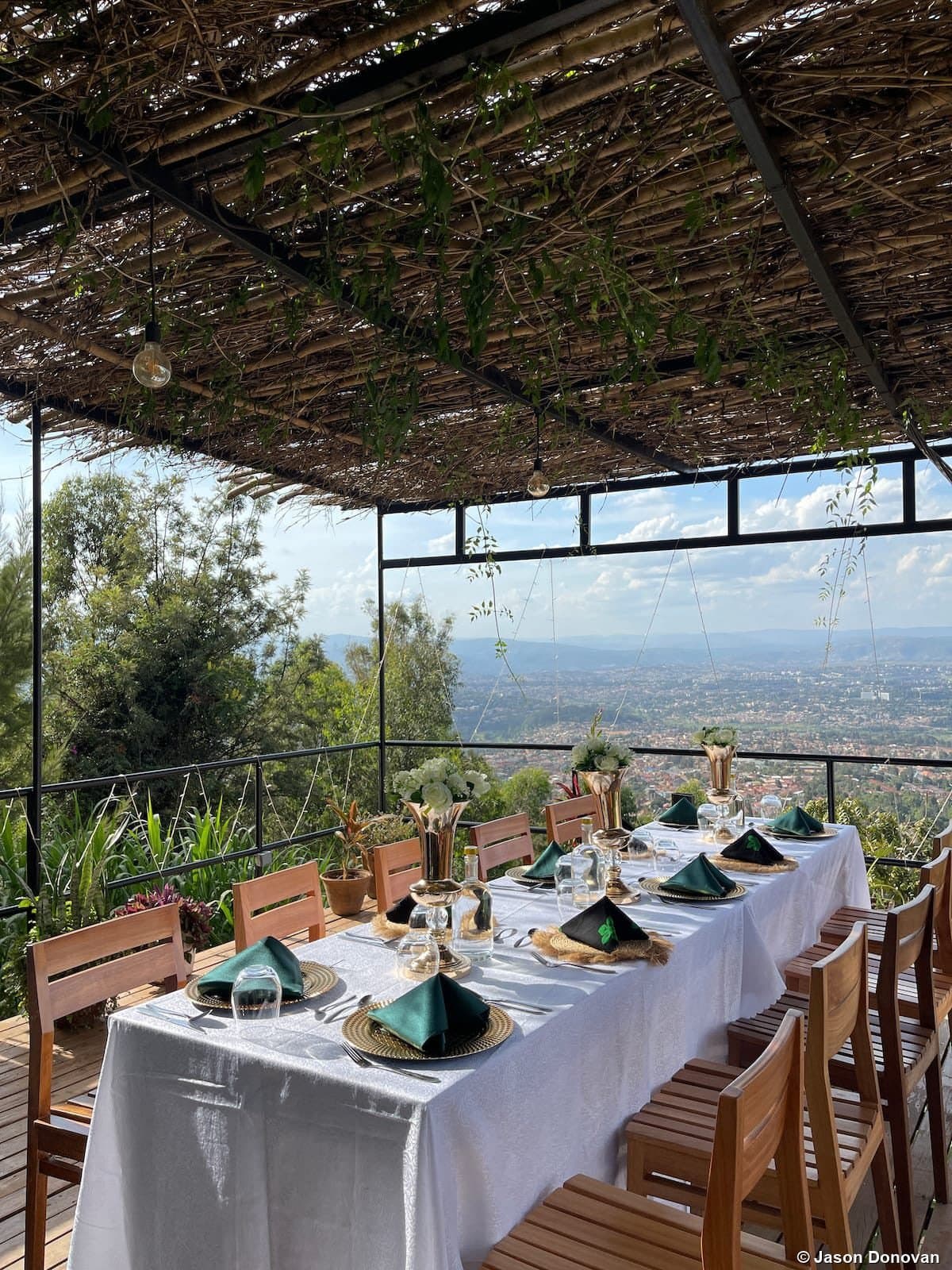
In Kibuye on Lake Kivu, we stay at the Shallum Lakeside Guesthouse with direct lake access. Quiet and serene in its location, with a terrace perfect for sunset and the owners knowing the best local spots.
All accommodation is arranged as part of the tour. Guests can request upgrades at any point if available.
Health and vaccinations for Rwanda
Rwanda requires a yellow fever vaccination certificate for entry if you are arriving from a yellow fever endemic country. Check the current requirements before travel — the rules can change.
Malaria is present in Rwanda, particularly in the lower-altitude areas like Akagera. Anti-malarials are strongly recommended — consult your GP or travel clinic for the current guidance on which type to take. In practice, Kigali and the highland areas (Volcanoes, Nyungwe) carry lower risk than Akagera.
Tap water in Rwanda is not reliably safe to drink outside the major hotels. We use bottled water throughout the tour. The lodges on the itinerary all serve safe food prepared in clean conditions.
Vaccinations
- —Yellow fever (may be required)
- —Hepatitis A
- —Typhoid
- —Tetanus
- —Rabies (if trekking)
- —COVID-19 (check current requirements)
Medications
- —Anti-malarials (required for Akagera)
- —Altitude medication (if susceptible)
- —Diarrhoea treatment
- —Insect repellent (DEET 50%+)
- —Sunscreen
- —Personal prescription medications
This is general guidance only. Consult a travel medicine specialist or your GP before departure.
Ready to visit Rwanda?
Get in touch and I will answer any questions about what to expect — safety, logistics, or anything else.
Ask Me Directly